Buy ksbog.com ?
We are moving the project
ksbog.com .
Are you interested in purchasing the domain
ksbog.com ?
domain@kv-gmbh.de · 0541-91531010
Buy ksbog.com ?
Is the LAN cable STP or UTP?
The LAN cable can be either STP (Shielded Twisted Pair) or UTP (Unshielded Twisted Pair). STP cables have an extra layer of shielding to protect against electromagnetic interference, while UTP cables do not have this additional shielding. The choice between STP and UTP cables depends on the specific requirements of the network and the level of interference present in the environment. **
Do I need a UTP, FTP, or SFTP LAN cable?
The type of LAN cable you need depends on your specific requirements. 1. UTP (Unshielded Twisted Pair) cables are suitable for most home and small office networks as they are cost-effective and provide good performance for short to medium distances. 2. FTP (Foiled Twisted Pair) cables have an extra layer of shielding, making them more resistant to interference and suitable for environments with high electromagnetic interference. 3. SFTP (Shielded Foiled Twisted Pair) cables offer the highest level of protection against interference and are ideal for industrial or commercial settings where there is a high risk of electromagnetic interference. Consider your environment and network needs to determine the most suitable LAN cable for your setup. **
Similar search terms for Utp
Top-Angebote
Products related to Utp:
-
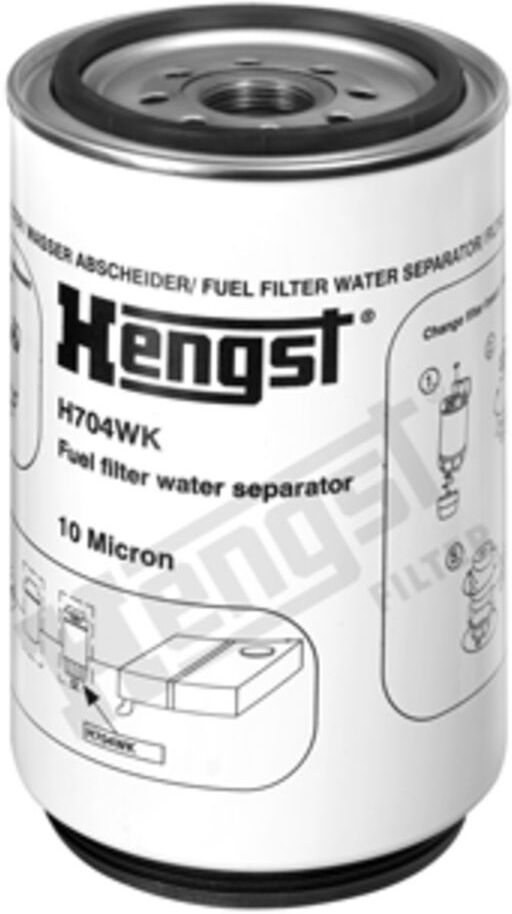
Polttoainesuodatin Hengst Filtration H704wkIndeksi: H704WK. Kierremitta: 1-14 UNS. Korkeus (mm): 182. Suodatintyyppi: Ruuvattava suodatin. Tiivisteen läpimitta [mm]: 91. Ulkoläpimitta [mm]: 112. Valmistaja: Hengst Filtration. Valmistajan numero: H704WK.31,78 €*Shipping: 10,99 €Secure redirect to the provider


-
Why are there unshielded U/UTP Cat 7 network cables?
Unshielded U/UTP Cat 7 network cables exist because they are designed for specific applications where electromagnetic interference is not a concern. These cables are typically used in environments where there is minimal risk of interference, such as in residential or small office settings. Additionally, unshielded cables are often more cost-effective and easier to install compared to shielded cables, making them a practical choice for certain networking needs. However, it's important to consider the potential for interference when choosing between shielded and unshielded cables for a particular application. **
-
What is the difference between UTP, FTP, SFTP, and LAN cables?
UTP (Unshielded Twisted Pair) cables are the most common type of Ethernet cables used in LAN (Local Area Network) connections. They are made of twisted pairs of copper wires and are not shielded, making them more susceptible to interference. FTP (Foiled Twisted Pair) cables are similar to UTP cables, but they have an additional layer of foil shielding to protect against electromagnetic interference. SFTP (Shielded Foiled Twisted Pair) cables have both foil and braided shielding, providing even more protection against interference. LAN cables, on the other hand, refer to any type of cable used to connect devices within a local area network, including UTP, FTP, and SFTP cables. **
-
What is the maximum speed of a UTP, STP, and fiber optic cable?
The maximum speed of a UTP (Unshielded Twisted Pair) cable is typically 1 Gbps (Gigabit per second) for Cat 5e and 10 Gbps for Cat 6a. STP (Shielded Twisted Pair) cables can also support speeds of up to 10 Gbps. Fiber optic cables, on the other hand, can support much higher speeds, with some types capable of transmitting data at speeds of 10 Gbps, 40 Gbps, 100 Gbps, or even higher, depending on the type and quality of the fiber optic cable. **
-
What kind of valves are on the heating pipes?
The valves on heating pipes are typically ball valves or gate valves. Ball valves have a spherical disc inside that controls the flow of water by rotating the handle, while gate valves have a gate or wedge that moves up and down to control the flow. Both types of valves are used to regulate the flow of hot water through the heating system and can be manually operated to adjust the temperature or shut off the flow completely. **
Which pins are used for transmitting and receiving data for 1000Base-T and 10GBASE-T with an RJ45 connector and UTP cable?
For 1000Base-T, the pins used for transmitting and receiving data with an RJ45 connector and UTP cable are pins 1 and 2 for transmitting and pins 3 and 6 for receiving. For 10GBASE-T, all four pairs of pins (1-2, 3-6, 4-5, 7-8) are used for transmitting and receiving data simultaneously, allowing for higher data transfer rates. These pins are used to transmit and receive data over twisted pair cables in Ethernet networks. **
Does the consumption of energy-saving pumps increase when replacing heating pipes?
Yes, the consumption of energy-saving pumps may increase when replacing heating pipes. This is because energy-saving pumps are designed to operate more efficiently and effectively with newer heating systems and pipes. The improved performance of the energy-saving pumps may lead to increased usage, as they are able to distribute heat more evenly and effectively throughout the system. Additionally, the replacement of old pipes with newer, more efficient ones may also contribute to increased energy consumption, as the system may be able to operate more efficiently overall. **
Top-Angebote
Products related to Utp:
-
Polttoainesuodatin Hengst Filtration H704wkIndeksi: H704WK. Kierremitta: 1-14 UNS. Korkeus (mm): 182. Suodatintyyppi: Ruuvattava suodatin. Tiivisteen läpimitta [mm]: 91. Ulkoläpimitta [mm]: 112. Valmistaja: Hengst Filtration. Valmistajan numero: H704WK.31,78 €*Shipping: 10,99 €Secure redirect to the provider
-
Is the LAN cable STP or UTP?
The LAN cable can be either STP (Shielded Twisted Pair) or UTP (Unshielded Twisted Pair). STP cables have an extra layer of shielding to protect against electromagnetic interference, while UTP cables do not have this additional shielding. The choice between STP and UTP cables depends on the specific requirements of the network and the level of interference present in the environment. **
-
Do I need a UTP, FTP, or SFTP LAN cable?
The type of LAN cable you need depends on your specific requirements. 1. UTP (Unshielded Twisted Pair) cables are suitable for most home and small office networks as they are cost-effective and provide good performance for short to medium distances. 2. FTP (Foiled Twisted Pair) cables have an extra layer of shielding, making them more resistant to interference and suitable for environments with high electromagnetic interference. 3. SFTP (Shielded Foiled Twisted Pair) cables offer the highest level of protection against interference and are ideal for industrial or commercial settings where there is a high risk of electromagnetic interference. Consider your environment and network needs to determine the most suitable LAN cable for your setup. **
-
Why are there unshielded U/UTP Cat 7 network cables?
Unshielded U/UTP Cat 7 network cables exist because they are designed for specific applications where electromagnetic interference is not a concern. These cables are typically used in environments where there is minimal risk of interference, such as in residential or small office settings. Additionally, unshielded cables are often more cost-effective and easier to install compared to shielded cables, making them a practical choice for certain networking needs. However, it's important to consider the potential for interference when choosing between shielded and unshielded cables for a particular application. **
-
What is the difference between UTP, FTP, SFTP, and LAN cables?
UTP (Unshielded Twisted Pair) cables are the most common type of Ethernet cables used in LAN (Local Area Network) connections. They are made of twisted pairs of copper wires and are not shielded, making them more susceptible to interference. FTP (Foiled Twisted Pair) cables are similar to UTP cables, but they have an additional layer of foil shielding to protect against electromagnetic interference. SFTP (Shielded Foiled Twisted Pair) cables have both foil and braided shielding, providing even more protection against interference. LAN cables, on the other hand, refer to any type of cable used to connect devices within a local area network, including UTP, FTP, and SFTP cables. **
Similar search terms for Utp
-
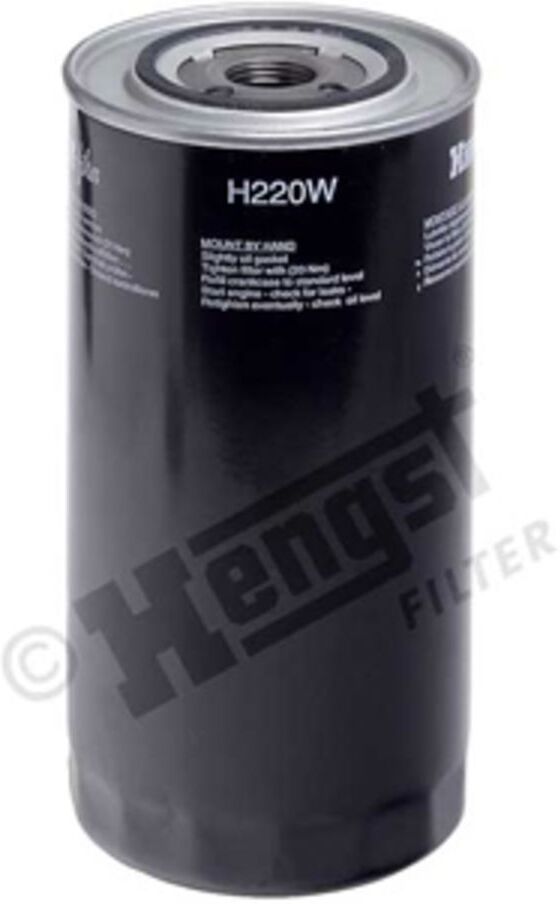
Öljynsuodatin Hengst Filtration H220wIndeksi: H220W. Kierremitta: 1-12 UNF. Korkeus (mm): 227. Suodatintyyppi: Ruuvattava suodatin. Tiivisteen läpimitta [mm]: 71. Ulkoläpimitta [mm]: 108. Valmistaja: Hengst Filtration. Valmistajan numero: H220W.14,67 €*Shipping: 10,99 €Secure redirect to the provider
-
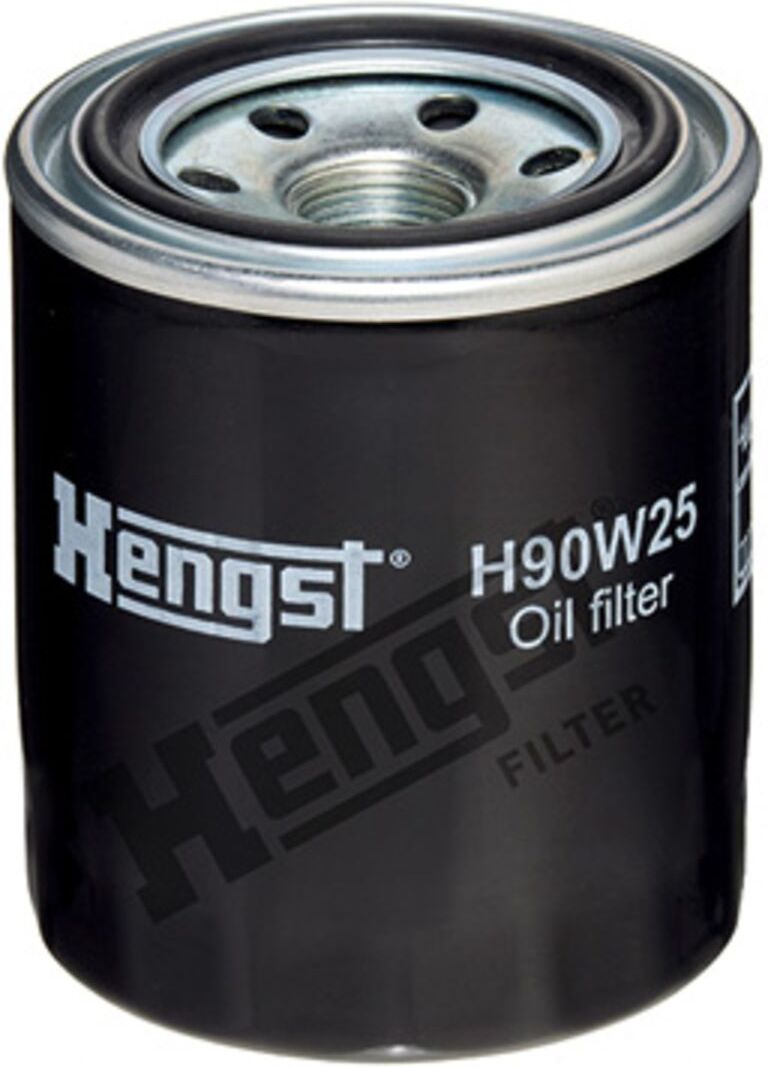
Öljynsuodatin Hengst Filtration H90w25Indeksi: H90W25. Kierremitta: M20x1,5. Korkeus (mm): 100. Suodatintyyppi: Ruuvattava suodatin. Tiivisteen läpimitta [mm]: 63. Ulkoläpimitta [mm]: 81. Valmistaja: Hengst Filtration. Valmistajan numero: H90W25.4,93 €*Shipping: 10,99 €Secure redirect to the provider
-
What is the maximum speed of a UTP, STP, and fiber optic cable?
The maximum speed of a UTP (Unshielded Twisted Pair) cable is typically 1 Gbps (Gigabit per second) for Cat 5e and 10 Gbps for Cat 6a. STP (Shielded Twisted Pair) cables can also support speeds of up to 10 Gbps. Fiber optic cables, on the other hand, can support much higher speeds, with some types capable of transmitting data at speeds of 10 Gbps, 40 Gbps, 100 Gbps, or even higher, depending on the type and quality of the fiber optic cable. **
-
What kind of valves are on the heating pipes?
The valves on heating pipes are typically ball valves or gate valves. Ball valves have a spherical disc inside that controls the flow of water by rotating the handle, while gate valves have a gate or wedge that moves up and down to control the flow. Both types of valves are used to regulate the flow of hot water through the heating system and can be manually operated to adjust the temperature or shut off the flow completely. **
-
Which pins are used for transmitting and receiving data for 1000Base-T and 10GBASE-T with an RJ45 connector and UTP cable?
For 1000Base-T, the pins used for transmitting and receiving data with an RJ45 connector and UTP cable are pins 1 and 2 for transmitting and pins 3 and 6 for receiving. For 10GBASE-T, all four pairs of pins (1-2, 3-6, 4-5, 7-8) are used for transmitting and receiving data simultaneously, allowing for higher data transfer rates. These pins are used to transmit and receive data over twisted pair cables in Ethernet networks. **
-
Does the consumption of energy-saving pumps increase when replacing heating pipes?
Yes, the consumption of energy-saving pumps may increase when replacing heating pipes. This is because energy-saving pumps are designed to operate more efficiently and effectively with newer heating systems and pipes. The improved performance of the energy-saving pumps may lead to increased usage, as they are able to distribute heat more evenly and effectively throughout the system. Additionally, the replacement of old pipes with newer, more efficient ones may also contribute to increased energy consumption, as the system may be able to operate more efficiently overall. **
* All prices are inclusive of VAT and, if applicable, plus shipping costs. The offer information is based on the details provided by the respective shop and is updated through automated processes. Real-time updates do not occur, so deviations can occur in individual cases. ** Note: Parts of this content were created by AI.