Buy ksbog.com ?
We are moving the project
ksbog.com .
Are you interested in purchasing the domain
ksbog.com ?
domain@kv-gmbh.de · 0541-91531010
Buy ksbog.com ?
What are peptide bonds?
Peptide bonds are covalent bonds that link amino acids together in a protein chain. They are formed through a condensation reaction between the carboxyl group of one amino acid and the amino group of another amino acid, resulting in the release of a water molecule. Peptide bonds are crucial for maintaining the structure and function of proteins, as they determine the sequence of amino acids in a protein chain. **
What is correct: peptide bond?
A peptide bond is a covalent bond that forms between the carboxyl group of one amino acid and the amino group of another amino acid during protein synthesis. This bond is formed through a condensation reaction, where a molecule of water is removed. The resulting bond is a strong and stable linkage that holds the amino acids together in a protein chain. Therefore, the correct term is "peptide bond" to describe this specific type of covalent bond between amino acids. **
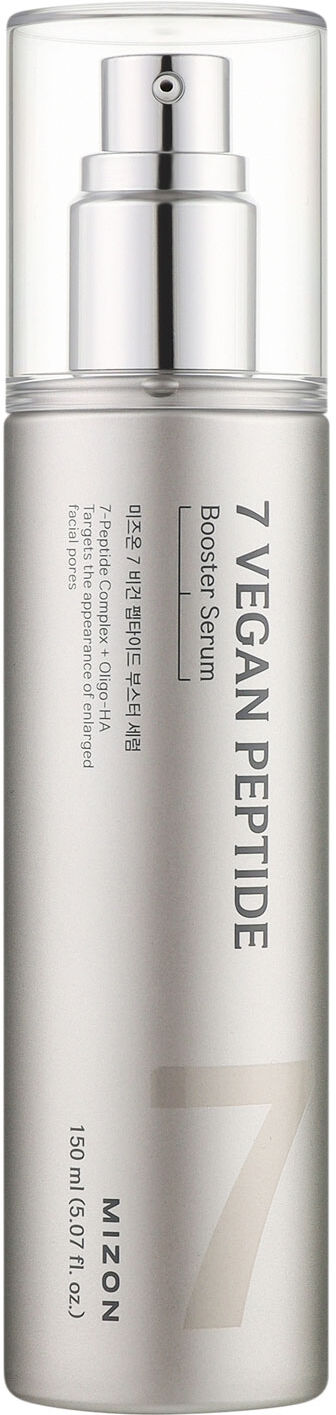

Similar search terms for MIZON-7-Vegan-Peptide
Top-Angebote
Products related to MIZON-7-Vegan-Peptide:
-
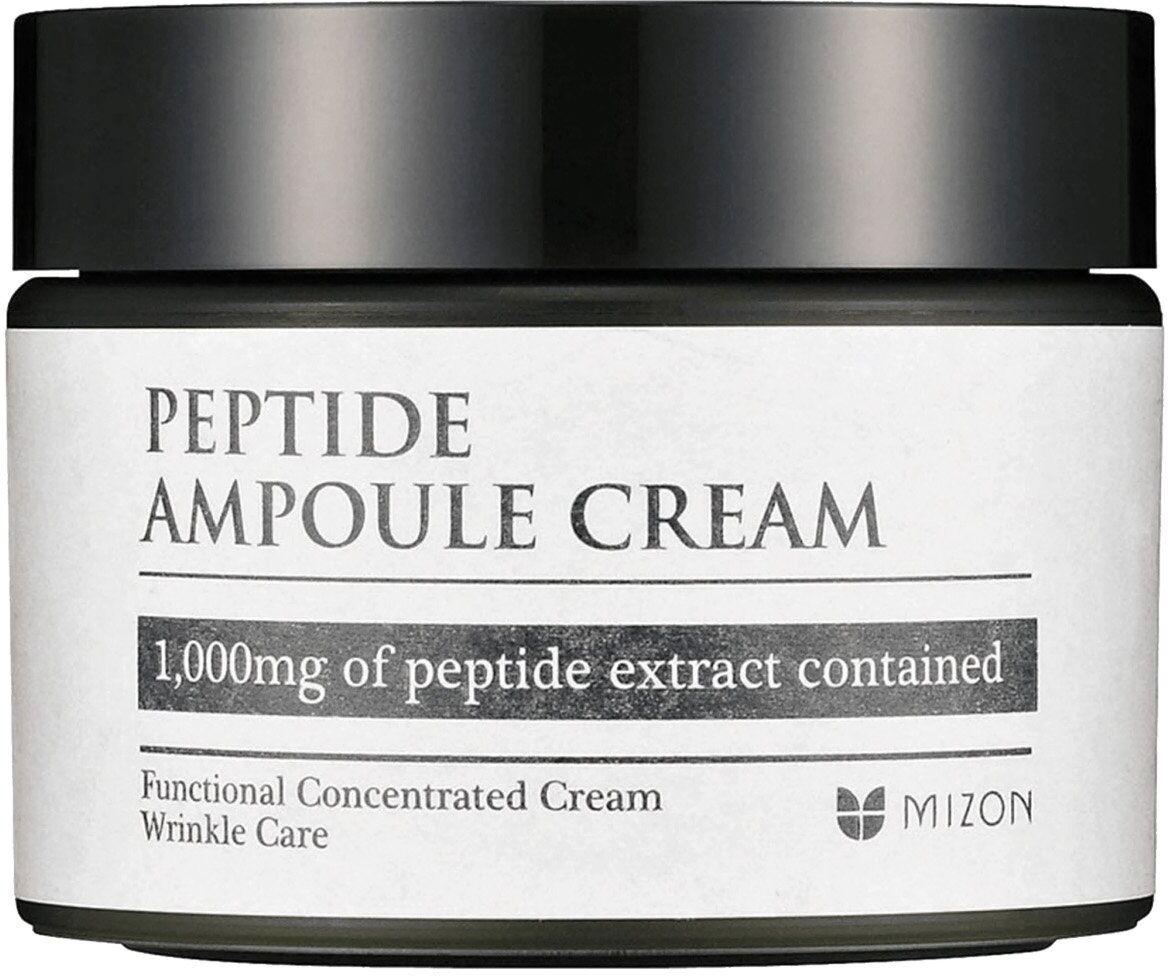
MIZON Peptide Ampoule Cream 50mlMIZON Peptide Ampoule Cream voide kiinteyttää ja heleyttää kasvoja. Sen sisältämät peptidit lisäävät ihon elastisuutta tehden siitä nuorekkaan näköisen. Voide häivyttää tehokkaasti jopa näkyviä juonteita ja ryppyjä. Sen ylellinen koostumus jättää ihon raikkaaksi ja pehmeäksi. Ohjeet: Lisää tuotetta puhdistetulle kasvojen iholle ja taputtele hellästi, kunnes18,95 €*Shipping: 0,00 €Secure redirect to the provider
-
MIZON Peptide 500 Serum 30mlMIZON Peptide 500 Serum seerumi sisältää 45 prosenttia peptidejä. Peptidit ovat tehokas aine ihon ikääntymistä vastaan. Ne kiinteyttävät kasvoja häivyttäen niiltä juonteita ja ryppyjä. Lisäksi peptidit edesauttavat ihon omaa kollageenin- sekä elastiinin tuotantoa. Kevyt seerumi imeytyy hetkessä ja tekee ihosta nuorekkaan ja kimmoisan. Sopii kaikille ihotyypeille, mutta erityisesti ikääntyväl29,95 €*Shipping: 0,00 €Secure redirect to the provider
-
MIZON Cicaluronic Vegan De-Puffing Eye Gel Patch 1pairMIZON Cicaluronic Vegan De-Puffing -hydrogeeliset silmänympärysnaamiot kosteuttavat tehokkaasti ja rauhoittavat herkkää silmänympärysihoa, vähentävät juonteita ja ryppyjä, lievittävät ihon herkkyyttä ja kirkastavat tummia silmänalusia, jolloin ilme näyttää levänneeltä ja raikkaalta. Koostumuksen Cicaluronic Complex yhdistää Centella asiatica -uutteen rauhoittavan vaikutuksen ja hyaluronihapon intensiivisen kosteuttavan tehon, tukien näin ihon luonnollista uudistumista ja kosteustasapainoa. 24 ka1,95 €*Shipping: 0,00 €Secure redirect to the provider


-
What is a peptide bond, peptide chain, peptide group, di-, tri-, and polypeptide? Can you please explain this briefly and simply? Thank you.
A peptide bond is a chemical bond that forms between the carboxyl group of one amino acid and the amino group of another amino acid. When multiple amino acids are linked together by peptide bonds, they form a peptide chain. A peptide group refers to a group of amino acids linked together by peptide bonds. A dipeptide is a chain of two amino acids, a tripeptide has three amino acids, and a polypeptide is a chain of many amino acids linked together. These chains of amino acids are the building blocks of proteins. **
-
How does hydrolysis occur during peptide cleavage?
Hydrolysis occurs during peptide cleavage when a water molecule is used to break the bond between the carboxyl group of one amino acid and the amino group of another. This process involves the addition of a water molecule to the peptide bond, resulting in the separation of the two amino acids. The water molecule donates a hydrogen ion to one amino acid and a hydroxide ion to the other, causing the bond to break and the peptide to be cleaved. This hydrolysis reaction is catalyzed by enzymes called proteases, which facilitate the cleavage of peptides in biological systems. **
-
What is the stability of peptide bonds?
Peptide bonds are relatively stable under normal physiological conditions. They are formed through a condensation reaction between the carboxyl group of one amino acid and the amino group of another, resulting in the release of a water molecule. This covalent bond is strong and resistant to hydrolysis, making it stable in the presence of water. However, under extreme conditions such as high temperature or strong acids or bases, peptide bonds can be hydrolyzed, leading to the breakdown of the peptide chain. **
-
Why are peptide bonds not freely rotatable?
Peptide bonds are not freely rotatable because of the partial double bond character that arises from resonance in the peptide bond. This restricts the rotation around the bond and locks the peptide backbone into a planar structure. The resonance forms a rigid, flat structure that allows for the formation of the alpha helix and beta sheet secondary structures in proteins. This rigidity is essential for maintaining the specific three-dimensional shape and function of proteins. **

How does one go from DNA to peptide?
The process of going from DNA to peptide involves several steps. First, the DNA sequence is transcribed into messenger RNA (mRNA) by the enzyme RNA polymerase. The mRNA is then translated by ribosomes, which read the mRNA sequence in groups of three nucleotides called codons. Each codon corresponds to a specific amino acid, which is the building block of a peptide. As the ribosome reads the mRNA, it links together the corresponding amino acids to form a peptide chain. This chain of amino acids folds into a specific three-dimensional structure to form a functional peptide. **
How can one recognize mesomerically stabilized peptide bonds?
Mesomerically stabilized peptide bonds can be recognized by the presence of resonance structures in the peptide bond. This is typically observed when the peptide bond is part of a conjugated system, such as in the case of proline or in the presence of aromatic amino acids like phenylalanine or tyrosine. The presence of resonance structures indicates that the electrons in the peptide bond are delocalized, leading to increased stability. Additionally, mesomerically stabilized peptide bonds may exhibit altered reactivity compared to non-stabilized peptide bonds, making them important in the study of protein structure and function. **
Top-Angebote
Products related to MIZON-7-Vegan-Peptide:
-
MIZON 7 Vegan Peptide Booster Serum 150mlMIZON 7 Vegan Peptide Booster Serum kosteuttaa, silottaa ja kiinteyttää ihoa sekä elvyttää välittömästi väsyneen näköistä ihoa, tehden siitä täyteläisemmän ja lasimaisen hehkuvan jo 7 sekunnissa. Koostumus sisältää 7 vegaanisen peptidin kompleksin, joka auttaa vähentämään juonteita ja ryppyjä, parantamaan ihon rakennetta ja sävyä sekä minimoimaan ihohuokosten näkyvyyttä. Hydrolysoitu hyaluronihappo imeytyy syvemmälle ihon kerroksiin, tarjoten intensiivistä, pitkäkestoista kosteutusta ja vahvista28,95 €*Shipping: 0,00 €Secure redirect to the provider
-
MIZON Vegan Eyeliner Black 0.5gVedenkestävä MIZON Vegan eyeliner, jossa on hieno ja erittäin tarkka elastinen kärki, joka kestää koko päivän ilman, että se tahraantuu tai leviää. Nopeasti kuivuva, dermatologisesti testattu, sopii vegaaneille. Erittäin helppo pestä pois - irtoaa helposti lämpimällä vedellä.12,95 €*Shipping: 0,00 €Secure redirect to the provider
-
MIZON Peptide Ampoule Cream 50mlMIZON Peptide Ampoule Cream voide kiinteyttää ja heleyttää kasvoja. Sen sisältämät peptidit lisäävät ihon elastisuutta tehden siitä nuorekkaan näköisen. Voide häivyttää tehokkaasti jopa näkyviä juonteita ja ryppyjä. Sen ylellinen koostumus jättää ihon raikkaaksi ja pehmeäksi. Ohjeet: Lisää tuotetta puhdistetulle kasvojen iholle ja taputtele hellästi, kunnes18,95 €*Shipping: 0,00 €Secure redirect to the provider
-
MIZON Peptide 500 Serum 30mlMIZON Peptide 500 Serum seerumi sisältää 45 prosenttia peptidejä. Peptidit ovat tehokas aine ihon ikääntymistä vastaan. Ne kiinteyttävät kasvoja häivyttäen niiltä juonteita ja ryppyjä. Lisäksi peptidit edesauttavat ihon omaa kollageenin- sekä elastiinin tuotantoa. Kevyt seerumi imeytyy hetkessä ja tekee ihosta nuorekkaan ja kimmoisan. Sopii kaikille ihotyypeille, mutta erityisesti ikääntyväl29,95 €*Shipping: 0,00 €Secure redirect to the provider
-
What are peptide bonds?
Peptide bonds are covalent bonds that link amino acids together in a protein chain. They are formed through a condensation reaction between the carboxyl group of one amino acid and the amino group of another amino acid, resulting in the release of a water molecule. Peptide bonds are crucial for maintaining the structure and function of proteins, as they determine the sequence of amino acids in a protein chain. **
-
What is correct: peptide bond?
A peptide bond is a covalent bond that forms between the carboxyl group of one amino acid and the amino group of another amino acid during protein synthesis. This bond is formed through a condensation reaction, where a molecule of water is removed. The resulting bond is a strong and stable linkage that holds the amino acids together in a protein chain. Therefore, the correct term is "peptide bond" to describe this specific type of covalent bond between amino acids. **
-
What is a peptide bond, peptide chain, peptide group, di-, tri-, and polypeptide? Can you please explain this briefly and simply? Thank you.
A peptide bond is a chemical bond that forms between the carboxyl group of one amino acid and the amino group of another amino acid. When multiple amino acids are linked together by peptide bonds, they form a peptide chain. A peptide group refers to a group of amino acids linked together by peptide bonds. A dipeptide is a chain of two amino acids, a tripeptide has three amino acids, and a polypeptide is a chain of many amino acids linked together. These chains of amino acids are the building blocks of proteins. **
-
How does hydrolysis occur during peptide cleavage?
Hydrolysis occurs during peptide cleavage when a water molecule is used to break the bond between the carboxyl group of one amino acid and the amino group of another. This process involves the addition of a water molecule to the peptide bond, resulting in the separation of the two amino acids. The water molecule donates a hydrogen ion to one amino acid and a hydroxide ion to the other, causing the bond to break and the peptide to be cleaved. This hydrolysis reaction is catalyzed by enzymes called proteases, which facilitate the cleavage of peptides in biological systems. **
Similar search terms for MIZON-7-Vegan-Peptide
-
MIZON Cicaluronic Vegan De-Puffing Eye Gel Patch 1pairMIZON Cicaluronic Vegan De-Puffing -hydrogeeliset silmänympärysnaamiot kosteuttavat tehokkaasti ja rauhoittavat herkkää silmänympärysihoa, vähentävät juonteita ja ryppyjä, lievittävät ihon herkkyyttä ja kirkastavat tummia silmänalusia, jolloin ilme näyttää levänneeltä ja raikkaalta. Koostumuksen Cicaluronic Complex yhdistää Centella asiatica -uutteen rauhoittavan vaikutuksen ja hyaluronihapon intensiivisen kosteuttavan tehon, tukien näin ihon luonnollista uudistumista ja kosteustasapainoa. 24 ka1,95 €*Shipping: 0,00 €Secure redirect to the provider
-
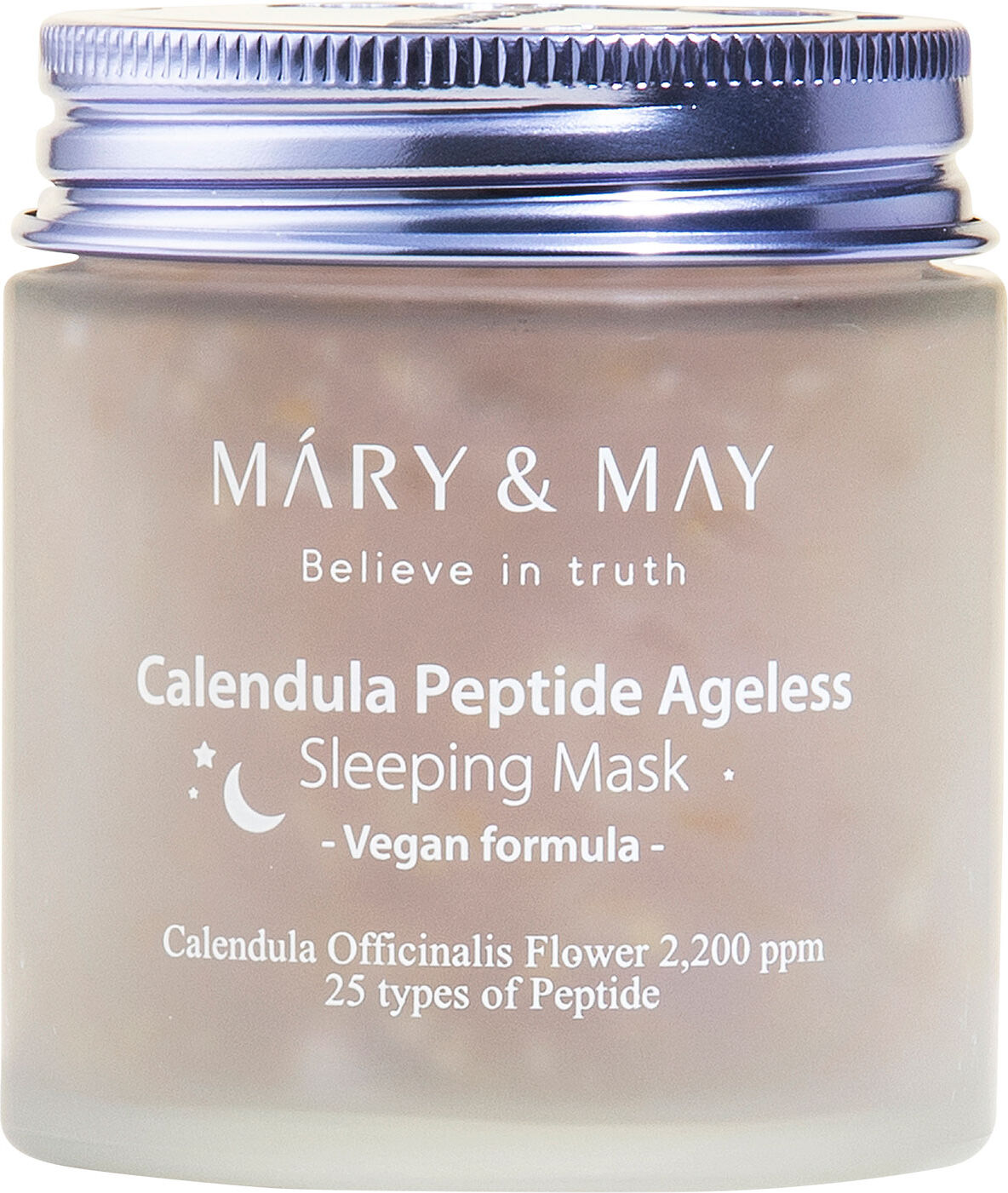
Mary & May MARY&MAY Vegan Calendula Peptide Ageless Sleeping Mask 110gMARY&MAY Vegan Calendula Peptide Ageless -yönaamio uudistaa ja rauhoittaa ihoa unen aikana, tehden siitä aamuksi hehkuvan ja sileän. Koostumuksen sisältämä 2200 ppm kehäkukan terälehtiuute rauhoittaa ja vähentää ärsytystä sekä korjaa ja vahvistaa herkkää ihoa. 25 erilaista peptidiä stimuloivat kollageenin tuotantoa, parantavat ihon kimmoisuutta sekä auttavat vähentämään ja ehkäisemään ikääntymisen merkkejä. Hyaluronihappo ja glyseriini palauttavat ihon kosteustasapainon ja pitävät sen kosteu22,95 €*Shipping: 0,00 €Secure redirect to the provider
-
MIZON Collagen 100 30mlMIZON Collagen 100 seerumi sisältää 90 prosenttia kollageenia. Kollageeni kiinteyttää ja tekee ihosta täyteläisemmän ehkäisten vanhenemista. Hyaluronihappo sitoo ihoon kosteutta ja adenosiini taistelee juonteita ja ryppyjä vastaan. Kevyt seerumi imeytyy hetkessä ja tekee ihosta elastisen ja kimmoisan. Sopii kaikille ihotyypeille, mutta erityisesti ikääntyvälle iholle.Ohjeet: Lisää tuotetta puhdistetulle ka23,95 €*Shipping: 0,00 €Secure redirect to the provider
-
What is the stability of peptide bonds?
Peptide bonds are relatively stable under normal physiological conditions. They are formed through a condensation reaction between the carboxyl group of one amino acid and the amino group of another, resulting in the release of a water molecule. This covalent bond is strong and resistant to hydrolysis, making it stable in the presence of water. However, under extreme conditions such as high temperature or strong acids or bases, peptide bonds can be hydrolyzed, leading to the breakdown of the peptide chain. **
-
Why are peptide bonds not freely rotatable?
Peptide bonds are not freely rotatable because of the partial double bond character that arises from resonance in the peptide bond. This restricts the rotation around the bond and locks the peptide backbone into a planar structure. The resonance forms a rigid, flat structure that allows for the formation of the alpha helix and beta sheet secondary structures in proteins. This rigidity is essential for maintaining the specific three-dimensional shape and function of proteins. **
-
How does one go from DNA to peptide?
The process of going from DNA to peptide involves several steps. First, the DNA sequence is transcribed into messenger RNA (mRNA) by the enzyme RNA polymerase. The mRNA is then translated by ribosomes, which read the mRNA sequence in groups of three nucleotides called codons. Each codon corresponds to a specific amino acid, which is the building block of a peptide. As the ribosome reads the mRNA, it links together the corresponding amino acids to form a peptide chain. This chain of amino acids folds into a specific three-dimensional structure to form a functional peptide. **
-
How can one recognize mesomerically stabilized peptide bonds?
Mesomerically stabilized peptide bonds can be recognized by the presence of resonance structures in the peptide bond. This is typically observed when the peptide bond is part of a conjugated system, such as in the case of proline or in the presence of aromatic amino acids like phenylalanine or tyrosine. The presence of resonance structures indicates that the electrons in the peptide bond are delocalized, leading to increased stability. Additionally, mesomerically stabilized peptide bonds may exhibit altered reactivity compared to non-stabilized peptide bonds, making them important in the study of protein structure and function. **
* All prices are inclusive of VAT and, if applicable, plus shipping costs. The offer information is based on the details provided by the respective shop and is updated through automated processes. Real-time updates do not occur, so deviations can occur in individual cases. ** Note: Parts of this content were created by AI.