Buy ksbog.com ?
We are moving the project
ksbog.com .
Are you interested in purchasing the domain
ksbog.com ?
domain@kv-gmbh.de · 0541-91531010
Buy ksbog.com ?
What is the CeraVe Hydrating Cleanser?
The CeraVe Hydrating Cleanser is a gentle, non-foaming cleanser designed to effectively cleanse the skin while maintaining its natural moisture barrier. It is formulated with ceramides, hyaluronic acid, and glycerin to help hydrate and nourish the skin, making it suitable for all skin types, including sensitive skin. The non-irritating, fragrance-free formula helps to remove dirt, oil, and makeup without stripping the skin of its natural oils, leaving it feeling clean and hydrated. **
What are self-luminous bodies?
Self-luminous bodies are objects that emit their own light, as opposed to reflecting light from another source. Examples of self-luminous bodies include stars, the sun, and certain types of light bulbs. These objects generate their own energy through processes like nuclear fusion or electrical current, which produces light as a byproduct. **

Similar search terms for LUMENE-Luminous-Shine-Hydrating
Top-Angebote
Products related to LUMENE-Luminous-Shine-Hydrating:
-
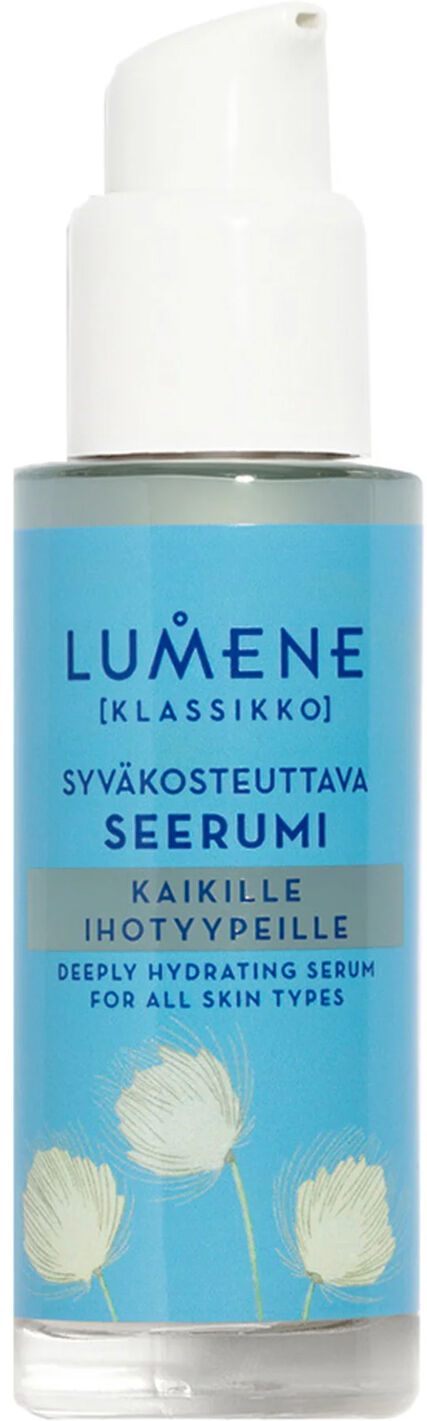
LUMENE Klassikko Deeply Hydrating Serum 30mlLumene Klassiko Syväkosteuttava seerumi, jossa on pohjoismaista hieskoivuuutetta, hyaluronihappoa ja arktista lähdevettä, kosteuttaa ihoa syvästi, palauttaa sen luonnollisen kosteustasapainon ja jättää ihon silkkisen sileäksi. Kevyt seerumi imeytyy nopeasti ja jättää ihon raikkaaksi ja pehmeäksi. Sopii kaikille ihotyypeille. Vegaaninen.15,95 €*Shipping: 0,00 €Secure redirect to the provider

-
Is the luminous clock radioactive?
No, the luminous clock is not radioactive. The luminescence in the clock is typically achieved using a phosphorescent material that absorbs light and then slowly releases it over time. This process does not involve any radioactive materials. The glow from the clock is simply a result of this light-absorption and emission process. **
-
What is a luminous point?
A luminous point is a theoretical concept used in physics and optics to represent a source of light that emits light in all directions. It is often used as a simplification in the study of light and its behavior, allowing for easier calculations and analysis. In reality, a luminous point does not exist as a physical object, but it is a useful tool for understanding the behavior of light in various systems. **
-
What are your experiences with the CeraVe Hydrating Cleanser?
As an AI, I do not have personal experiences. However, based on user reviews and feedback, the CeraVe Hydrating Cleanser is generally well-received for its gentle formula that effectively cleanses the skin without stripping it of its natural moisture. Many users with sensitive or dry skin have reported that this cleanser helps to hydrate and soothe their skin, leaving it feeling soft and refreshed. Overall, it is a popular choice for those looking for a gentle and hydrating cleanser. **
-
Why is the luminous intensity and not the luminous flux specified for reflector lamps?
The luminous intensity is specified for reflector lamps because it measures the amount of light emitted in a specific direction, which is important for directional lighting applications such as spotlights and floodlights. Reflectors are designed to control and direct light in a specific direction, so specifying luminous intensity helps to ensure that the lamp is suitable for its intended purpose. Luminous flux, on the other hand, measures the total amount of visible light emitted by a source in all directions, which may not be as relevant for reflector lamps where the focus is on directing light in a specific direction. **
What is the difference between a self-luminous and an externally luminous object in physics?
In physics, a self-luminous object is one that produces its own light, such as the sun or a light bulb. These objects emit light due to internal processes, such as nuclear fusion or electrical excitation. On the other hand, an externally luminous object is one that reflects light from another source, such as the moon or a mirror. These objects do not produce their own light but appear illuminated due to the light they reflect from another source. **
What are self-luminous celestial bodies?
Self-luminous celestial bodies are objects in space that emit their own light and heat. This includes stars, which generate energy through nuclear fusion in their cores, as well as other luminous objects such as brown dwarfs and hot gas giants. These bodies are able to shine and be visible from Earth due to the light they produce, unlike non-luminous celestial bodies such as planets and moons, which reflect light from the Sun. **
Top-Angebote
Products related to LUMENE-Luminous-Shine-Hydrating:
-
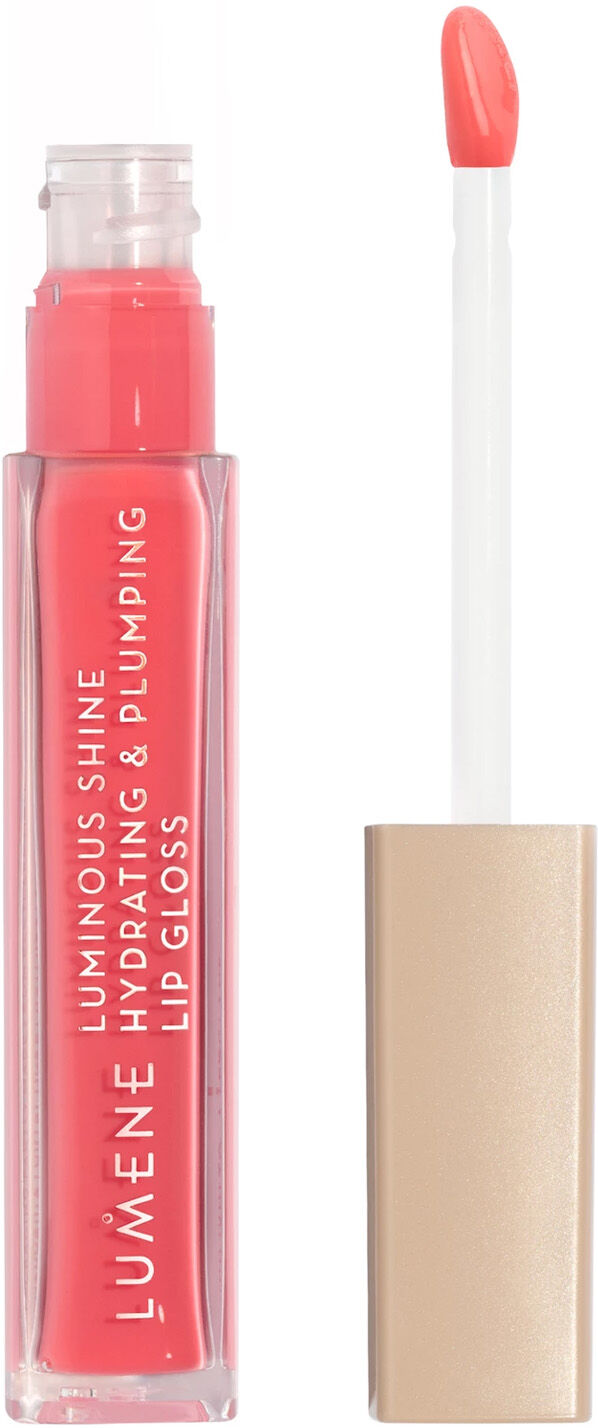
LUMENE Luminous Shine Hydrating & Plumping Lip Gloss 5mlLUMENE Luminous Shine Lip Gloss on superkiiltävä huulikiilto, joka sisältää hoitavaa pohjoista karpaloa ja kosteuttavaa hyaluronihappoa, jotka sitovat kosteutta ja antavat huulillesi täyteläisemmän ilmeen. Tahmaamaton, kevyt koostumus levittyy vaivattomasti jättäen kiiltävän lopputuloksen, joka tuntuu ravitsevalta huulilla.10,95 €*Shipping: 0,00 €Secure redirect to the provider
-
What is the CeraVe Hydrating Cleanser?
The CeraVe Hydrating Cleanser is a gentle, non-foaming cleanser designed to effectively cleanse the skin while maintaining its natural moisture barrier. It is formulated with ceramides, hyaluronic acid, and glycerin to help hydrate and nourish the skin, making it suitable for all skin types, including sensitive skin. The non-irritating, fragrance-free formula helps to remove dirt, oil, and makeup without stripping the skin of its natural oils, leaving it feeling clean and hydrated. **
-
What are self-luminous bodies?
Self-luminous bodies are objects that emit their own light, as opposed to reflecting light from another source. Examples of self-luminous bodies include stars, the sun, and certain types of light bulbs. These objects generate their own energy through processes like nuclear fusion or electrical current, which produces light as a byproduct. **
-
Is the luminous clock radioactive?
No, the luminous clock is not radioactive. The luminescence in the clock is typically achieved using a phosphorescent material that absorbs light and then slowly releases it over time. This process does not involve any radioactive materials. The glow from the clock is simply a result of this light-absorption and emission process. **
-
What is a luminous point?
A luminous point is a theoretical concept used in physics and optics to represent a source of light that emits light in all directions. It is often used as a simplification in the study of light and its behavior, allowing for easier calculations and analysis. In reality, a luminous point does not exist as a physical object, but it is a useful tool for understanding the behavior of light in various systems. **
Similar search terms for LUMENE-Luminous-Shine-Hydrating
-
LUMENE Klassikko Deeply Hydrating Serum 30mlLumene Klassiko Syväkosteuttava seerumi, jossa on pohjoismaista hieskoivuuutetta, hyaluronihappoa ja arktista lähdevettä, kosteuttaa ihoa syvästi, palauttaa sen luonnollisen kosteustasapainon ja jättää ihon silkkisen sileäksi. Kevyt seerumi imeytyy nopeasti ja jättää ihon raikkaaksi ja pehmeäksi. Sopii kaikille ihotyypeille. Vegaaninen.15,95 €*Shipping: 0,00 €Secure redirect to the provider
-
What are your experiences with the CeraVe Hydrating Cleanser?
As an AI, I do not have personal experiences. However, based on user reviews and feedback, the CeraVe Hydrating Cleanser is generally well-received for its gentle formula that effectively cleanses the skin without stripping it of its natural moisture. Many users with sensitive or dry skin have reported that this cleanser helps to hydrate and soothe their skin, leaving it feeling soft and refreshed. Overall, it is a popular choice for those looking for a gentle and hydrating cleanser. **
-
Why is the luminous intensity and not the luminous flux specified for reflector lamps?
The luminous intensity is specified for reflector lamps because it measures the amount of light emitted in a specific direction, which is important for directional lighting applications such as spotlights and floodlights. Reflectors are designed to control and direct light in a specific direction, so specifying luminous intensity helps to ensure that the lamp is suitable for its intended purpose. Luminous flux, on the other hand, measures the total amount of visible light emitted by a source in all directions, which may not be as relevant for reflector lamps where the focus is on directing light in a specific direction. **
-
What is the difference between a self-luminous and an externally luminous object in physics?
In physics, a self-luminous object is one that produces its own light, such as the sun or a light bulb. These objects emit light due to internal processes, such as nuclear fusion or electrical excitation. On the other hand, an externally luminous object is one that reflects light from another source, such as the moon or a mirror. These objects do not produce their own light but appear illuminated due to the light they reflect from another source. **
-
What are self-luminous celestial bodies?
Self-luminous celestial bodies are objects in space that emit their own light and heat. This includes stars, which generate energy through nuclear fusion in their cores, as well as other luminous objects such as brown dwarfs and hot gas giants. These bodies are able to shine and be visible from Earth due to the light they produce, unlike non-luminous celestial bodies such as planets and moons, which reflect light from the Sun. **
* All prices are inclusive of VAT and, if applicable, plus shipping costs. The offer information is based on the details provided by the respective shop and is updated through automated processes. Real-time updates do not occur, so deviations can occur in individual cases. ** Note: Parts of this content were created by AI.