Buy ksbog.com ?
We are moving the project
ksbog.com .
Are you interested in purchasing the domain
ksbog.com ?
domain@kv-gmbh.de · 0541-91531010
Buy ksbog.com ?
What is meant by chainrings for boys?
Chainrings for boys refers to the gear rings on the front crankset of a bicycle that are typically designed for younger or less experienced riders. These chainrings are usually smaller in size, which makes it easier for boys to pedal and maintain a comfortable cadence. The smaller chainrings also provide lower gearing, which can be helpful for young riders who may not have as much strength or endurance as adult cyclists. Overall, chainrings for boys are designed to make cycling more accessible and enjoyable for young riders. **
What problems are there with narrow-wide chainrings?
Narrow-wide chainrings are designed to improve chain retention by using alternating narrow and wide teeth to better grip the chain. However, they can still experience issues with chain drops, especially in rough terrain or when the chain is worn. Additionally, narrow-wide chainrings may not be compatible with all chain types, and they can be more expensive than traditional chainrings. Finally, some riders have reported increased friction and noise with narrow-wide chainrings, although this can vary depending on the specific setup. **

Similar search terms for Chainrings
Top-Angebote
Products related to Chainrings:
-
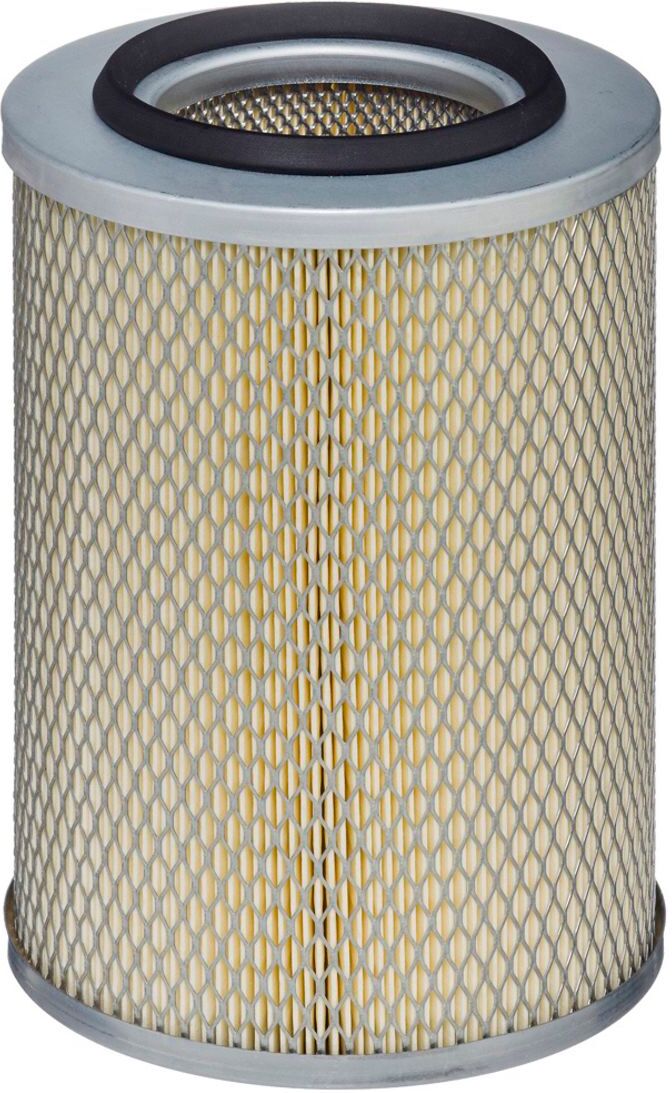
Käsisyöttöpumppu Hengst Filtration H16k01Indeksi: H16K01. Korkeus (mm): 102. Korvaava tuote/korvaava tiedote 2: Suodattimella. Käyttö: Manuaalinen (käsikäyttö). Leveys (mm): 78. Ulkoläpimitta [mm]: 63. Valmistaja: Hengst Filtration. Valmistajan numero: H16K01.63,75 €*Shipping: 10,99 €Secure redirect to the provider


-
What is the difference between 1 and 3 chainrings?
The main difference between 1 and 3 chainrings is the number of gears available on the bike. A 1x (pronounced "one-by") drivetrain has a single chainring in the front and a wide-range cassette in the rear, providing a simpler and lighter setup with less maintenance. On the other hand, a 3x (pronounced "three-by") drivetrain has three chainrings in the front, offering a wider range of gears for different terrains and riding conditions. While a 1x system is popular for its simplicity and weight savings, a 3x system provides more gear options for riders who need a wider range of gears. **
-
What experiences have you had with Shimano Biopace chainrings?
I have had limited experience with Shimano Biopace chainrings, as they were popular in the 1980s and have since been largely phased out. However, I have used bikes equipped with Biopace chainrings and found that they provided a smooth and efficient pedaling experience. Some riders have reported that the non-circular shape of the Biopace chainrings felt awkward at first, but they eventually adapted to the design. Overall, my experience with Shimano Biopace chainrings has been positive, but they are now considered a relic of cycling technology. **
-
How many teeth do the chainrings of the crankset have?
The number of teeth on the chainrings of a crankset can vary depending on the specific crankset. Commonly, cranksets for road bikes have chainrings with 50/34 teeth or 52/36 teeth, while cranksets for mountain bikes may have chainrings with 30-40 teeth. The number of teeth on the chainrings affects the gear ratio and the bike's ability to climb hills or maintain speed on flat terrain. **
-
Do you have to change the cassette and chainrings when changing the chain?
When changing the chain, it is not always necessary to change the cassette and chainrings. However, if the chain has been used for a long time and has worn down significantly, it is recommended to also replace the cassette and chainrings to ensure smooth shifting and prevent premature wear on the new chain. It is best to inspect the condition of the cassette and chainrings when changing the chain and replace them if necessary. **
Should the chainrings and chainring bolts also be replaced as a precaution when renewing the wheel?
It is not necessary to replace the chainrings and chainring bolts when renewing the wheel unless they are damaged or worn out. If the chainrings and bolts are in good condition, they can be reused without any issues. However, it is always a good idea to inspect them for any signs of wear or damage before reinstalling them. If there are any concerns about their condition, it may be best to replace them as a precaution. **
What kind of valves are on the heating pipes?
The valves on heating pipes are typically ball valves or gate valves. Ball valves have a spherical disc inside that controls the flow of water by rotating the handle, while gate valves have a gate or wedge that moves up and down to control the flow. Both types of valves are used to regulate the flow of hot water through the heating system and can be manually operated to adjust the temperature or shut off the flow completely. **
Top-Angebote
Products related to Chainrings:
-
Polttoainesuodatin Hengst Filtration H704wkIndeksi: H704WK. Kierremitta: 1-14 UNS. Korkeus (mm): 182. Suodatintyyppi: Ruuvattava suodatin. Tiivisteen läpimitta [mm]: 91. Ulkoläpimitta [mm]: 112. Valmistaja: Hengst Filtration. Valmistajan numero: H704WK.31,78 €*Shipping: 10,99 €Secure redirect to the provider
-
Käsisyöttöpumppu Hengst Filtration H16k01Indeksi: H16K01. Korkeus (mm): 102. Korvaava tuote/korvaava tiedote 2: Suodattimella. Käyttö: Manuaalinen (käsikäyttö). Leveys (mm): 78. Ulkoläpimitta [mm]: 63. Valmistaja: Hengst Filtration. Valmistajan numero: H16K01.63,75 €*Shipping: 10,99 €Secure redirect to the provider
-
What is meant by chainrings for boys?
Chainrings for boys refers to the gear rings on the front crankset of a bicycle that are typically designed for younger or less experienced riders. These chainrings are usually smaller in size, which makes it easier for boys to pedal and maintain a comfortable cadence. The smaller chainrings also provide lower gearing, which can be helpful for young riders who may not have as much strength or endurance as adult cyclists. Overall, chainrings for boys are designed to make cycling more accessible and enjoyable for young riders. **
-
What problems are there with narrow-wide chainrings?
Narrow-wide chainrings are designed to improve chain retention by using alternating narrow and wide teeth to better grip the chain. However, they can still experience issues with chain drops, especially in rough terrain or when the chain is worn. Additionally, narrow-wide chainrings may not be compatible with all chain types, and they can be more expensive than traditional chainrings. Finally, some riders have reported increased friction and noise with narrow-wide chainrings, although this can vary depending on the specific setup. **
-
What is the difference between 1 and 3 chainrings?
The main difference between 1 and 3 chainrings is the number of gears available on the bike. A 1x (pronounced "one-by") drivetrain has a single chainring in the front and a wide-range cassette in the rear, providing a simpler and lighter setup with less maintenance. On the other hand, a 3x (pronounced "three-by") drivetrain has three chainrings in the front, offering a wider range of gears for different terrains and riding conditions. While a 1x system is popular for its simplicity and weight savings, a 3x system provides more gear options for riders who need a wider range of gears. **
-
What experiences have you had with Shimano Biopace chainrings?
I have had limited experience with Shimano Biopace chainrings, as they were popular in the 1980s and have since been largely phased out. However, I have used bikes equipped with Biopace chainrings and found that they provided a smooth and efficient pedaling experience. Some riders have reported that the non-circular shape of the Biopace chainrings felt awkward at first, but they eventually adapted to the design. Overall, my experience with Shimano Biopace chainrings has been positive, but they are now considered a relic of cycling technology. **
Similar search terms for Chainrings
-
How many teeth do the chainrings of the crankset have?
The number of teeth on the chainrings of a crankset can vary depending on the specific crankset. Commonly, cranksets for road bikes have chainrings with 50/34 teeth or 52/36 teeth, while cranksets for mountain bikes may have chainrings with 30-40 teeth. The number of teeth on the chainrings affects the gear ratio and the bike's ability to climb hills or maintain speed on flat terrain. **
-
Do you have to change the cassette and chainrings when changing the chain?
When changing the chain, it is not always necessary to change the cassette and chainrings. However, if the chain has been used for a long time and has worn down significantly, it is recommended to also replace the cassette and chainrings to ensure smooth shifting and prevent premature wear on the new chain. It is best to inspect the condition of the cassette and chainrings when changing the chain and replace them if necessary. **
-
Should the chainrings and chainring bolts also be replaced as a precaution when renewing the wheel?
It is not necessary to replace the chainrings and chainring bolts when renewing the wheel unless they are damaged or worn out. If the chainrings and bolts are in good condition, they can be reused without any issues. However, it is always a good idea to inspect them for any signs of wear or damage before reinstalling them. If there are any concerns about their condition, it may be best to replace them as a precaution. **
-
What kind of valves are on the heating pipes?
The valves on heating pipes are typically ball valves or gate valves. Ball valves have a spherical disc inside that controls the flow of water by rotating the handle, while gate valves have a gate or wedge that moves up and down to control the flow. Both types of valves are used to regulate the flow of hot water through the heating system and can be manually operated to adjust the temperature or shut off the flow completely. **
* All prices are inclusive of VAT and, if applicable, plus shipping costs. The offer information is based on the details provided by the respective shop and is updated through automated processes. Real-time updates do not occur, so deviations can occur in individual cases. ** Note: Parts of this content were created by AI.