Buy ksbog.com ?
We are moving the project
ksbog.com .
Are you interested in purchasing the domain
ksbog.com ?
domain@kv-gmbh.de · 0541-91531010
Buy ksbog.com ?
Are drainage pipes more stable than KG pipes?
Drainage pipes are typically more stable than KG pipes because they are designed to handle the weight of soil and water above them. Drainage pipes are usually made of materials such as PVC or corrugated metal, which are strong and durable. KG pipes, on the other hand, are typically used for non-pressure applications and may not be as sturdy as drainage pipes. Overall, drainage pipes are better suited for underground applications where stability and durability are important factors. **
What is your question about the kg pipes?
My question about the kg pipes is regarding their specific dimensions and material composition. I would like to know the exact measurements and thickness of the pipes, as well as the type of material they are made from. Additionally, I am interested in learning about the potential applications and load-bearing capabilities of these pipes. **

Similar search terms for Kg
Top-Angebote
Products related to Kg:


-
How much do adhesive and vacuum-KG pipes weigh?
Adhesive KG pipes typically weigh around 0.5 to 1.5 kilograms per meter, depending on the size and material of the pipe. Vacuum-KG pipes are generally lighter, weighing around 0.3 to 1 kilogram per meter. The weight of the pipes can vary based on factors such as diameter, wall thickness, and the specific material used in their construction. **
-
How can a foundation be created using KG pipes?
A foundation can be created using KG pipes by first determining the required depth and diameter of the foundation. The KG pipes are then driven into the ground using a pile driver to the desired depth. Once the pipes are in place, they can be filled with concrete to provide stability and strength. The pipes can also be interconnected to form a grid pattern for added support. Finally, the foundation can be built on top of the KG pipe grid to provide a solid base for the structure. **
-
What is the difference between HT and KG pipes?
HT pipes and KG pipes are different in terms of their application and material composition. HT pipes are high-temperature pipes designed to withstand extreme heat and are commonly used in industrial applications such as power plants and chemical processing plants. On the other hand, KG pipes are made of PVC material and are used for underground drainage and sewage systems. Additionally, KG pipes are lighter and easier to handle compared to HT pipes, which are typically made of steel or other high-temperature resistant materials. **
-
How can new KG pipes be installed with a manhole?
New KG pipes can be installed with a manhole by first excavating the area where the manhole will be placed. Once the area is prepared, the manhole can be lowered into place and properly aligned. Then, the KG pipes can be connected to the manhole using appropriate connectors and seals to ensure a watertight connection. Finally, the surrounding area can be backfilled and compacted to secure the manhole and pipes in place. Regular inspections and maintenance should be carried out to ensure the proper functioning of the manhole and pipes. **

How can new KG pipes be laid with an inspection chamber?
New KG pipes can be laid with an inspection chamber by first excavating the ground to the required depth and dimensions for the chamber. The pipes can then be laid in the trench, ensuring proper alignment and gradient. Once the pipes are in place, the inspection chamber can be installed at the appropriate location along the pipeline. Finally, the chamber can be connected to the pipes, allowing for easy access and maintenance of the pipeline in the future. **
What kind of valves are on the heating pipes?
The valves on heating pipes are typically ball valves or gate valves. Ball valves have a spherical disc inside that controls the flow of water by rotating the handle, while gate valves have a gate or wedge that moves up and down to control the flow. Both types of valves are used to regulate the flow of hot water through the heating system and can be manually operated to adjust the temperature or shut off the flow completely. **
Top-Angebote
Products related to Kg:
-
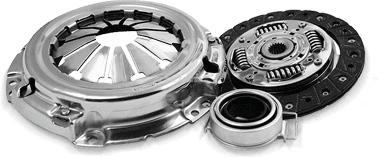
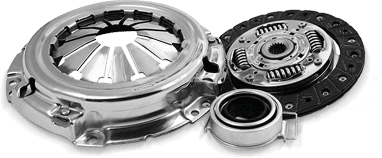
Kytkinsarja Aisin Kg-035Hammasluku: 24. Indeksi: AISKG-035A. Korvaava tuote/korvaava tiedote 2: Kytkinlevyllä, irroitinlaakerilla. Lisätarvike/lisätieto: Painelevyllä. Läpimitta [mm]: 225. Moniosainen: kolmiosainen. Valmistaja: AISIN. Valmistajan numero: AISKG-035.196,39 €*Shipping: 10,99 €Secure redirect to the provider
-
Are drainage pipes more stable than KG pipes?
Drainage pipes are typically more stable than KG pipes because they are designed to handle the weight of soil and water above them. Drainage pipes are usually made of materials such as PVC or corrugated metal, which are strong and durable. KG pipes, on the other hand, are typically used for non-pressure applications and may not be as sturdy as drainage pipes. Overall, drainage pipes are better suited for underground applications where stability and durability are important factors. **
-
What is your question about the kg pipes?
My question about the kg pipes is regarding their specific dimensions and material composition. I would like to know the exact measurements and thickness of the pipes, as well as the type of material they are made from. Additionally, I am interested in learning about the potential applications and load-bearing capabilities of these pipes. **
-
How much do adhesive and vacuum-KG pipes weigh?
Adhesive KG pipes typically weigh around 0.5 to 1.5 kilograms per meter, depending on the size and material of the pipe. Vacuum-KG pipes are generally lighter, weighing around 0.3 to 1 kilogram per meter. The weight of the pipes can vary based on factors such as diameter, wall thickness, and the specific material used in their construction. **
-
How can a foundation be created using KG pipes?
A foundation can be created using KG pipes by first determining the required depth and diameter of the foundation. The KG pipes are then driven into the ground using a pile driver to the desired depth. Once the pipes are in place, they can be filled with concrete to provide stability and strength. The pipes can also be interconnected to form a grid pattern for added support. Finally, the foundation can be built on top of the KG pipe grid to provide a solid base for the structure. **
Similar search terms for Kg
-
What is the difference between HT and KG pipes?
HT pipes and KG pipes are different in terms of their application and material composition. HT pipes are high-temperature pipes designed to withstand extreme heat and are commonly used in industrial applications such as power plants and chemical processing plants. On the other hand, KG pipes are made of PVC material and are used for underground drainage and sewage systems. Additionally, KG pipes are lighter and easier to handle compared to HT pipes, which are typically made of steel or other high-temperature resistant materials. **
-
How can new KG pipes be installed with a manhole?
New KG pipes can be installed with a manhole by first excavating the area where the manhole will be placed. Once the area is prepared, the manhole can be lowered into place and properly aligned. Then, the KG pipes can be connected to the manhole using appropriate connectors and seals to ensure a watertight connection. Finally, the surrounding area can be backfilled and compacted to secure the manhole and pipes in place. Regular inspections and maintenance should be carried out to ensure the proper functioning of the manhole and pipes. **
-
How can new KG pipes be laid with an inspection chamber?
New KG pipes can be laid with an inspection chamber by first excavating the ground to the required depth and dimensions for the chamber. The pipes can then be laid in the trench, ensuring proper alignment and gradient. Once the pipes are in place, the inspection chamber can be installed at the appropriate location along the pipeline. Finally, the chamber can be connected to the pipes, allowing for easy access and maintenance of the pipeline in the future. **
-
What kind of valves are on the heating pipes?
The valves on heating pipes are typically ball valves or gate valves. Ball valves have a spherical disc inside that controls the flow of water by rotating the handle, while gate valves have a gate or wedge that moves up and down to control the flow. Both types of valves are used to regulate the flow of hot water through the heating system and can be manually operated to adjust the temperature or shut off the flow completely. **
* All prices are inclusive of VAT and, if applicable, plus shipping costs. The offer information is based on the details provided by the respective shop and is updated through automated processes. Real-time updates do not occur, so deviations can occur in individual cases. ** Note: Parts of this content were created by AI.