Buy ksbog.com ?
We are moving the project
ksbog.com .
Are you interested in purchasing the domain
ksbog.com ?
domain@kv-gmbh.de · 0541-91531010
Buy ksbog.com ?
What are the extreme points of sin(x^2)?
The extreme points of sin(x^2) occur when the derivative of the function is equal to zero. Taking the derivative of sin(x^2) with respect to x, we get 2x*cos(x^2). Setting this equal to zero, we find that the extreme points occur at x = 0, ±√(π/2), ±√(3π/2), ±√(5π/2), and so on. At these points, the function sin(x^2) reaches its maximum and minimum values. **
How do you determine the extreme points of the function f(x) = e^x?
To determine the extreme points of the function f(x) = e^x, we can take the derivative of the function and set it equal to zero to find the critical points. The derivative of e^x is simply e^x. Setting e^x equal to zero, we find that there are no critical points. This means that the function f(x) = e^x has no extreme points, as it is always increasing and has no maximum or minimum values. **

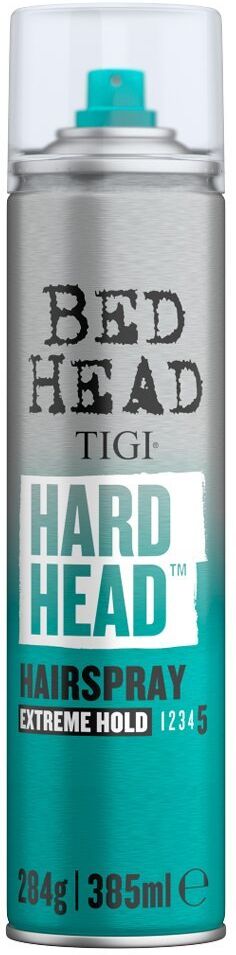
Similar search terms for Head-Extreme-One-X
Top-Angebote
Products related to Head-Extreme-One-X:




-
How do you calculate x in your head?
To calculate x in my head, I typically use mental math techniques such as breaking down the problem into smaller, more manageable parts. I might also use estimation to quickly get a rough idea of the answer before refining it. Additionally, I rely on my knowledge of basic arithmetic operations and number properties to simplify the calculation and arrive at the answer. Finally, I may use shortcuts or tricks, such as rounding numbers or using patterns, to make the calculation easier and faster. **
-
Is it possible to not x-ray the head despite a head laceration?
Yes, it is possible to not x-ray the head despite a head laceration. The decision to x-ray the head depends on the severity of the laceration and the presence of any other concerning symptoms such as loss of consciousness, vomiting, or neurological deficits. If the laceration is superficial and there are no other concerning symptoms, a healthcare provider may decide that an x-ray is not necessary. However, it is important to seek medical attention and follow the advice of a healthcare professional to ensure proper evaluation and treatment. **
-
I need help with an extreme value problem involving x.
Sure, I'd be happy to help! Please provide me with the specific details of the extreme value problem you're working on, including the function involving x and any constraints or conditions. Once I have that information, I can assist you in finding the extreme values of the function, whether it's a maximum or minimum, and guide you through the steps to solve the problem. **
-
What are the extreme points of sin(3x)cos(x)?
The extreme points of the function sin(3x)cos(x) occur where the derivative of the function is equal to zero. Taking the derivative of sin(3x)cos(x) using the product rule, we get (3cos(3x)cos(x) - sin(3x)sin(x)). Setting this equal to zero and solving for x, we find the extreme points occur at x = nπ/2, where n is an integer. At these points, the function reaches its maximum and minimum values. **


For which value of a does one of the extreme points lie on the x-axis?
One of the extreme points of a quadratic function lies on the x-axis when the vertex of the parabola is on the x-axis. The x-coordinate of the vertex of a quadratic function in the form y = ax^2 + bx + c is given by -b/2a. Therefore, the extreme point lies on the x-axis when the x-coordinate of the vertex is 0, which occurs when -b/2a = 0. This simplifies to b = 0. Therefore, the extreme point lies on the x-axis when the coefficient of the linear term in the quadratic function is 0. **
How do I find all the local extreme points and inflection points of the function f(x) = cos(x) * e^x?
To find the local extreme points of the function f(x) = cos(x) * e^x, we first need to find the critical points by taking the derivative of the function and setting it equal to zero. Then, we can use the second derivative test to determine whether each critical point is a local maximum, local minimum, or neither. To find the inflection points, we need to find the points where the concavity of the function changes. This can be done by finding the second derivative of the function and setting it equal to zero to find the points of inflection. Then, we can use the second derivative test to determine the concavity of the function at each point. **
Top-Angebote
Products related to Head-Extreme-One-X:
-
TIGI Bed Head Foxy Curls Extreme Mousse 250mlTIGI Bed Head Foxy Curls Extreme -hiusvaahto antaa kiharoille vahvan pidon ja auttaa säilyttämään kauniin kiharan muodon, hillitsee pörröisyyttä, suojaa kuumuudelta ja kosteudelta. Kaavan sisältämät Super Hold -polymeerit antavat kiharoille vahvan pidon, kauniin muodon, kimmoisuuden ja silkkisen kiillon. Shape Support Complex auttaa säilyttämään kiharan muodon ja volyymin myös korkeassa ilmankosteudessa. Lämpösuoja suojaa kiharoita lämpökäsittelyn haitallisilta vaikutuksilta. l l15,95 €*Shipping: 0,00 €Secure redirect to the provider
-
What are the extreme points of sin(x^2)?
The extreme points of sin(x^2) occur when the derivative of the function is equal to zero. Taking the derivative of sin(x^2) with respect to x, we get 2x*cos(x^2). Setting this equal to zero, we find that the extreme points occur at x = 0, ±√(π/2), ±√(3π/2), ±√(5π/2), and so on. At these points, the function sin(x^2) reaches its maximum and minimum values. **
-
How do you determine the extreme points of the function f(x) = e^x?
To determine the extreme points of the function f(x) = e^x, we can take the derivative of the function and set it equal to zero to find the critical points. The derivative of e^x is simply e^x. Setting e^x equal to zero, we find that there are no critical points. This means that the function f(x) = e^x has no extreme points, as it is always increasing and has no maximum or minimum values. **
-
How do you calculate x in your head?
To calculate x in my head, I typically use mental math techniques such as breaking down the problem into smaller, more manageable parts. I might also use estimation to quickly get a rough idea of the answer before refining it. Additionally, I rely on my knowledge of basic arithmetic operations and number properties to simplify the calculation and arrive at the answer. Finally, I may use shortcuts or tricks, such as rounding numbers or using patterns, to make the calculation easier and faster. **
-
Is it possible to not x-ray the head despite a head laceration?
Yes, it is possible to not x-ray the head despite a head laceration. The decision to x-ray the head depends on the severity of the laceration and the presence of any other concerning symptoms such as loss of consciousness, vomiting, or neurological deficits. If the laceration is superficial and there are no other concerning symptoms, a healthcare provider may decide that an x-ray is not necessary. However, it is important to seek medical attention and follow the advice of a healthcare professional to ensure proper evaluation and treatment. **
Similar search terms for Head-Extreme-One-X
-
I need help with an extreme value problem involving x.
Sure, I'd be happy to help! Please provide me with the specific details of the extreme value problem you're working on, including the function involving x and any constraints or conditions. Once I have that information, I can assist you in finding the extreme values of the function, whether it's a maximum or minimum, and guide you through the steps to solve the problem. **
-
What are the extreme points of sin(3x)cos(x)?
The extreme points of the function sin(3x)cos(x) occur where the derivative of the function is equal to zero. Taking the derivative of sin(3x)cos(x) using the product rule, we get (3cos(3x)cos(x) - sin(3x)sin(x)). Setting this equal to zero and solving for x, we find the extreme points occur at x = nπ/2, where n is an integer. At these points, the function reaches its maximum and minimum values. **
-
For which value of a does one of the extreme points lie on the x-axis?
One of the extreme points of a quadratic function lies on the x-axis when the vertex of the parabola is on the x-axis. The x-coordinate of the vertex of a quadratic function in the form y = ax^2 + bx + c is given by -b/2a. Therefore, the extreme point lies on the x-axis when the x-coordinate of the vertex is 0, which occurs when -b/2a = 0. This simplifies to b = 0. Therefore, the extreme point lies on the x-axis when the coefficient of the linear term in the quadratic function is 0. **
-
How do I find all the local extreme points and inflection points of the function f(x) = cos(x) * e^x?
To find the local extreme points of the function f(x) = cos(x) * e^x, we first need to find the critical points by taking the derivative of the function and setting it equal to zero. Then, we can use the second derivative test to determine whether each critical point is a local maximum, local minimum, or neither. To find the inflection points, we need to find the points where the concavity of the function changes. This can be done by finding the second derivative of the function and setting it equal to zero to find the points of inflection. Then, we can use the second derivative test to determine the concavity of the function at each point. **
* All prices are inclusive of VAT and, if applicable, plus shipping costs. The offer information is based on the details provided by the respective shop and is updated through automated processes. Real-time updates do not occur, so deviations can occur in individual cases. ** Note: Parts of this content were created by AI.